Blog ·
Building Your Wedding Photography Timeline: A Practical Guide
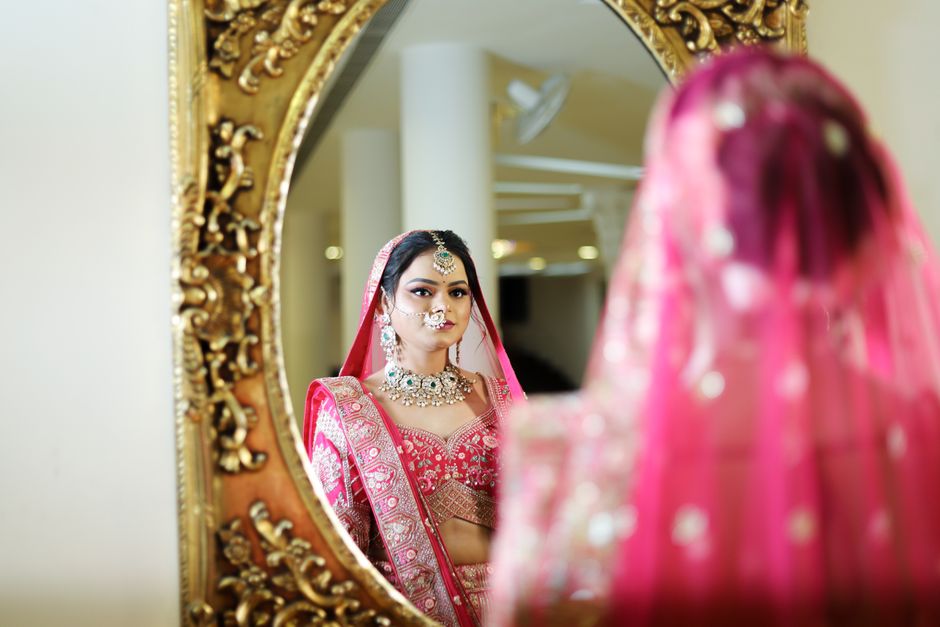
One of the most overlooked aspects of wedding planning is how timing affects photography. A rushed day means missed moments and stressed photos. A thoughtfully planned timeline gives your photographer the space to work deliberately and gives you the gift of actually experiencing your wedding rather than racing through it.
Start with the essentials
Work backward from your ceremony time. If you're getting ready on-site, allow at least 90 minutes before the ceremony for your photographer to capture preparation moments. This includes detail shots of your dress, rings, and décor, plus candid moments while you're getting ready with your closest people. These images often become some of the most tender in your collection.
Build in buffer time. Between major moments—getting ready, traveling to the ceremony, cocktail hour, reception activities—add 15-30 minutes of buffer. Hair takes longer than expected. Traffic happens. A realistic timeline prevents your photographer from rushing and prevents you from starting your marriage in a state of panic.
Schedule portraits strategically
Couple portraits and family photos require dedicated time. Block out at least one to two hours after the ceremony (or before, depending on your preference). This isn't lost time—these images become some of your most treasured keepsakes. Plan this during the best light of the day, typically the hour before sunset. Discuss specific locations with your photographer in advance so they know where to direct you and can plan for any lighting challenges.
Plan for candid moments. Some of your favorite photographs will be unplanned. Account for time between structured moments—during cocktail hour, dinner, and the reception—when your photographer can capture genuine interactions without direction. These candid moments often tell your story more authentically than any posed image.
Consider ceremony details
Arrive early enough for your photographer to capture guests arriving and settling into their seats. Discuss with your officiant whether photography is permitted during vows—many photographers work quietly from specific angles to avoid being intrusive. Plan the processional and recessional timing, and clarify any moments you want captured (first kiss, rings exchanged) with both your photographer and officiant.
Reception timing matters too. First dance, toasts, cake cutting, and bouquet toss are all moments worth documenting. Sequence these thoughtfully throughout your reception rather than clustering them at the beginning. This creates a natural rhythm to your evening and gives your photographer opportunities to capture varied moments and genuine reactions.
Review your timeline one final time with your photographer. They'll spot potential conflicts and suggest adjustments based on their experience. A well-planned day means your photographer can focus on capturing your story rather than managing logistics. The result is photographs that feel unhurried and authentic—images that truly reflect the joy and significance of your day.